





- Wissenschaftliches Team
- Mission Statement des ZWF
- Artistic Research an der MUK
- Jahresthema
- Veranstaltungen des ZWF
- Aktuelles
- Forschungsprojekte
- Wissenschaftliche Forschungsprojekte
- Übersicht Wissenschaftliche Forschungsprojekte
- Beethoven
- Das Österreichisch-Deutsche Melodrama und seine Filmmusik
- Der Einfluss des Tonfilms auf das Drehbuch, 1927—1934
- Deutschsprachige und anglophone Formenlehre der Nachkriegszeit
- Die Frau meiner Träume
- ELEMU und die Kunst des Miteinanders
- Europäische Landschaften
- Experiment Notation
- Filmmusik zur Ideologievermittlung
- Flat, toxic, … , pornographic? Towards a complex techno-ecology of AI-generated gender images
- Gustav Mahlers kompositorische Logik
- Hausgeschichte - Zeitgeschichte
- Hellerau-Laxenburg
- Interdisziplinäre Mittelalterstudien
- It’s a Match!
- Kulturelle Teilhabe
- Liminale Bilder
- LSBTIQ* Bewegungen und Demokratie: Geschichte, Gegenwart und Zukunft
- MUK meets IFK
- Nicht aufwachen! Zukunftsträchtige Träume in den Künsten
- Salon Différance
- Tanzarchivarische Forschung
- Theater & Bewusstsein
- Urban Music Studies
- Verborgene Malerei
- Vom Text zur Performance: Literarische Ver-Körperungen
- Wachau-Mythos
- Künstlerische Forschungsprojekte
- Übersicht Künstlerische Forschungsprojekte
- Archiv der Suche
- Cabaret der alten Neuigkeiten
- Composer/Performer Relations
- Cross-Genre Composition
- DANCR – ein KI Werkzeug für Tanzforschung
- Das Verschwinden des Archivs
- Die Kunst der Inklusion
- Dynamik kondensierter Systeme
- Elementares Musiktheater
- Experiment Empathie in kollaborativer Improvisation
- Fiction and Research
- Franz Schubert — Der Akt des Dichtens in seiner musikalischen Darstellung
- FRAUEN*.FESTSPIELE.SALZBURG
- Geschlecht und Gewalt
- Interuniversitärer Forschungsverbund Elfriede Jelinek
- Iterative Feedback Model for Collaborative Composition (IFMCC)
- Kunst und Politik
- Die Korrelation Blick, Raum & Sprechen
- Love Letters
- Microtonality in Jazz
- Notation und Aufführung
- Sprache und Gewalt
- Suite Mixtur
- Transforming Instrumental Gestures
- Unsichtbarkeit durch die Praktiken des (Zu)hörens
- WELT.AUTORIN.JELINEK
- Wissenschaft – Kunst – Demokratie
- Wort.Musik.Theater
- Entwicklung und Erschließung der Künste (EEK)
- Übersicht EEK
- Artist in Residence Programm
- Gegenwartskunst
- Bewegte Bilder des Jüdischen / Film und Exil
- Carte blanche
- Didaktik der zeitgen. Musik und des Komponierens
- Entente Musicale
- IGP und Community Music
- Jazz und seine Einflüsse aus anderen Musiktraditionen
- JETZT! – Inklusive Bühnenpraxis als künstlerische Forschung
- Method of Vienna
- Musik Denken
- Operette
- Poème électronique
- Stadt und Klang
- Wiener Originalquellen
- vienna.composers@MUK
- Zeitgenössische klassische Musik & Jazz
- Wissenschaftliche Forschungsprojekte
- Gender & Diversity
- Integrität im Studien-, Lehr- und Forschungsbetrieb
- Forschungsservice
- Kompetenzzentrum Film | Filmmusik
- Interuniversitäres Forschungsnetzwerk E. Jelinek
- Lehre


Aktuelle Veranstaltungen
Zur Ausführung der Vorschläge und Appoggiaturen für Sänger*- und Instrumentalist*innen
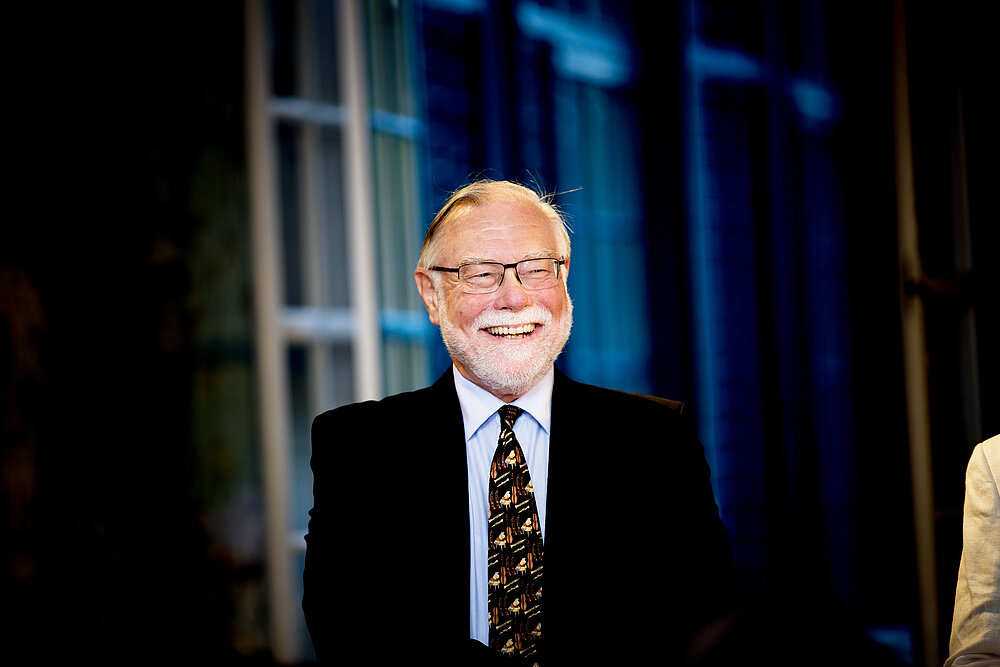
Do, 12.11., 14:00 — 17:00
Seminarraum, Singerstraße 26
1010 Wien
Die Frage, wie Vorschläge und Appogiaturen in Partituren verstanden und umgesetzt werden können, stellt Musiker*innen regelmäßig vor interpretatorische Herausforderungen. Vor allem für die praktisch szenische Umsetzung von Rezitativen und Arien mit den Mitteln der historischen Schauspielkunst ist diese Frage zentral, weil sie Auswirkungen auf Phrasierung und Actio hat. Dieser Workshop versucht genau diese Wissenslücke zu schließen und bietet Studierenden Gelegenheit, Fragen an einen ausgewiesenen Experten zu richten: In einem einführenden Vortrags wird ein Überblick über historische Beispiele gegeben und thematisiert, wie Verzierungen und insbesondere Appogiaturen entstanden sind, warum sie auf diese Art notiert wurden, welche Rolle die Generalbass-Ausführung und Akkord-Skizzen für deren Verständnis spielen, in welchen Schulen, mit welchen Regeln sie gelehrt wurden - und zuletzt wo wir wichtige Hinweise zu deren Ausführung finden. Nach diesem Vortrag, in dem u. a. auch über Gustav Mahlers Praxis, mit traditionell üblichen Appogiaturen zu arbeiten, berichtet wird, haben Studierende Gelegenheit, neu gewonnene Erkenntnisse in die Praxis umzusetzen und mitgebrachte Beispiele spielend bzw. singend zu erproben.
Teilnahme für alle Studierende möglich
MMag. Dr. Hartmut Krones, geb. 1944 in Wien, studierte Musikerziehung und Germanistik (Lehramt), Gesang, Gesangspädagogik (Diplom mit Auszeichnung) und Lied und Oratorium (an der heutigen mdw) sowie Musikwissenschaft (an der Wiener Universität). Er unterrichtet seit 1970 an der Hochschule (1998 Universität) für Musik und darstellende Kunst Wien (mdw) und wurde dort 1987 zum o. Hochschul-Prof. (1998 Univ.-Prof.) für Musikalische Stilkunde und Gesang ernannt; er war der letzte Professor, der sowohl eine Klasse künstlerischer Ausbildung als auch einen musikwissenschaftlichen Lehrstuhl innehatte. Von März 2002 bis September 2013 leitete er das „Institut für Musikalische Stilforschung“ (mit den Abteilungen „Stilkunde und Aufführungspraxis“ sowie „Wissenschaftszentrum Arnold Schönberg“). Bis heute betreut er Dissertationen an der mdw.
Krones ist Mitarbeiter (und Fachbeirat „Österreich, 20. Jhdt.“) der MGG, des „New Grove“ sowie des „Historischen Wörterbuchs der Rhetorik“ und war seit 1994 Mitglied des internationalen Fachbeirates des Forschungszentrums für Aufführungspraxis Blankenburg/Michaelstein (Deutschland), 2008–2024 Vorsitzender dieses Beirats. Er legte zahlreiche Publikationen in den Bereichen Aufführungspraxis Alter und Neuer Musik, Musikalische Symbolik und Rhetorik sowie Musik und Musikgeschichte des 20. Jahrhunderts (incl. Musik im Exil) vor sowie Bücher u. a. über Ludwig van Beethoven sowie Arnold Schönberg. 2018 erschien der 1. Band der von ihm geleiteten Kritischen Gesamtausgabe der Schriften Arnold Schönbergs, 2026 folg[t]en der zweite und der dritte Band.
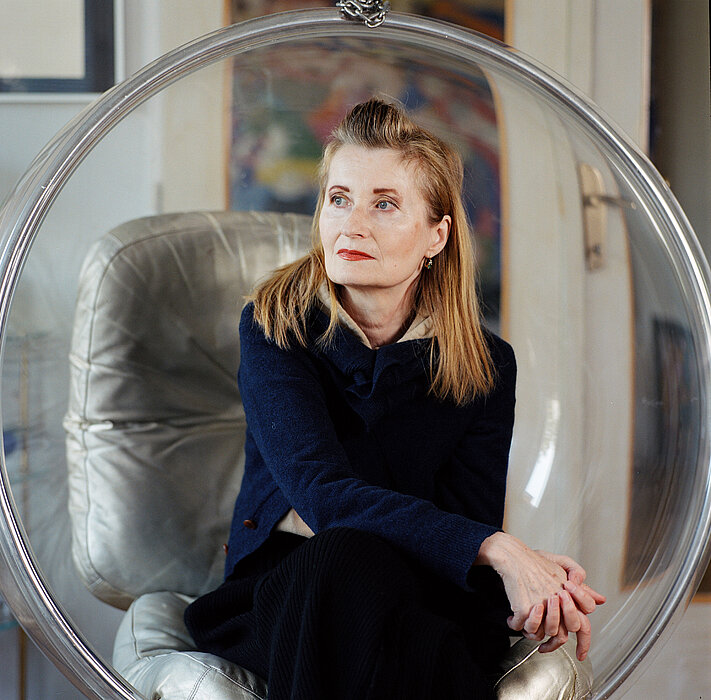
Retrospektive Universum Jelinek
veranstaltet vom METRO Kinokulturhaus
in Kooperation mit dem Interuniversitären Forschungsnetzwerk Elfriede Jelinek
der Universität Wien und der Musik und Kunst Privatuniversität der Stadt Wien
und dem Elfriede Jelinek-Forschungszentrum
7.10 — 5.11
METRO Kinokulturhaus, Johannesgasse 4, 1010 Wien
"Ich hoffe, das interessiert wen ..." Viel mehr hatte Elfriede Jelinek zu ihrer kleinen filmischen Würdigung anlässlich ihres 80. Geburtstags nicht zu sagen. Ein Satz, der ebenso beiläufig wie programmatisch klingt: selbstironisch, skeptisch und vielleicht auch ein wenig misstrauisch gegenüber der Vorstellung, sich feiern zu lassen. Dabei gäbe es – auch abseits des Jubiläums – durchaus Anlass dazu. Jelinek gehört zu den bedeutendsten deutschsprachigen Schriftstellerinnen der Gegenwart, erhält 2004 den Nobelpreis für Literatur und seziert mit ihren Romanen, Theaterstücken und Essays die österreichische Nachkriegsgesellschaft wie kaum eine andere. Dass ihre Spuren dabei immer wieder ins Kino führen, ist weit mehr als ein Nebenschauplatz ihres Werks.
Denn Jelineks Texte arbeiten mit Stimmen, Bildern, Wiederholungen, Brüchen und Montagen. Sie legen offen, wie Sprache Wirklichkeit nicht bloß beschreibt, sondern sie vielmehr herstellt. All das macht ihre Literatur nicht automatisch »filmisch« – im Gegenteil: Jelineks Sprache ist eigensinnig und widerständig gegenüber jeder eindeutigen Übersetzung in Bilder. Aber vielleicht sind gerade deshalb ihre Texte für das Kino so reizvoll. Ihre Romane sind mehrfach Ausgangspunkt bemerkenswerter Filme: DIE AUSGESPERRTEN zeichnet aus der verdrängten österreichischen Vergangenheit ein düsteres Gesellschaftsbild; Michael Hanekes DIE KLAVIERSPIELERIN überführt die beklemmende Innenwelt der Vorlage in eine kühle, körperliche Filmsprache. Mit LIEBHABERINNEN der jungen luxemburgischen Künstlerin Koxi steht eine aktualisierte Bearbeitung aus Jelineks Frühwerk kurz vor dem Kinostart – und wird im Rahmen der Retrospektive ebenfalls gezeigt.
Doch Elfriede Jelinek ist im Kino nicht nur Autorin – sie ist auch eine aufmerksame und leidenschaftliche Zuseherin. Ihre Auseinandersetzung mit Filmen folgt dabei ähnlichen Prinzipien wie ihre Literatur: Sie misstraut dem O!ensichtlichen, hinterfragt die Macht der Bilder und kann sich zugleich auf sie einlassen. VERTIGO, CARNIVAL OF SOULS und LOST HIGHWAY sind nicht zufällig in diesem Programm: Das sind Filme, an denen sich etwas von jenem Blick ablesen lässt, mit dem Jelinek selbst auf die Welt und ihre Bilder schaut. Und dann ist da noch HEIMKEHR, Gustav Ucickys Propagandafilm, der zu einer der großen Konstanten in Jelineks Arbeit führt, nämlich der Frage, wie eine Gesellschaft ihre Vergangenheit verdrängt, um ihre Gegenwart zu ertragen. So begegnet uns eine Autorin, die es vermag, mit ihrem Denken Bilder aus dem Gleichgewicht zu bringen und uns misstrauisch zu machen. Ob das jemanden interessiert? Wir hoffen es sehr!
Nähere Informationen zum Programm und weitere Veranstaltungen unter ifvjelinek.at/veranstaltungen/
DIE WELTAUTORIN: EIN ABEND FÜR ELFRIEDE JELINEK
veranstaltet vom Interuniversitären Forschungsnetzwerk Elfriede Jelinek
der Universität Wien und der Musik und Kunst Privatuniversität der Stadt Wien
und dem Elfriede Jelinek-Forschungszentrum
in Kooperation mit der Burg
Internationale Veranstaltungsreihe zu
Elfriede Jelineks 80. Geburtstag: WELT.AUTORIN.JELINEK
Fr, 23.10., 19 Uhr
BURG, Kasino am Schwarzenbergplatz, Schwarzenbergplatz 1, 1010 Wien
„Ein Abend für Elfriede Jelinek“ findet im Rahmen der Internationalen Veranstaltungsreihe WELT.AUTORIN.JELINEK statt. Diese Veranstaltungsreihe befasst sich mit der österreichischen Nobelpreisträgerin als „Weltautorin“, die die aktuellen globalen antidemokratischen Entwicklungen mit Fokus auf die Position von Frauen* analysiert und deren Analysen weltweit wahrgenommen werden.
Die Veranstaltung würdigt Jelinek als politische Intellektuelle und engagierte Autorin, die in österreichischen ästhetischen Traditionen steht und globale Wirkungskraft hat. In Gesprächen und künstlerischen Beiträgen wird ihr Werk als seismographische Analyse gesellschaftlicher Machtverhältnisse und demokratischer Krisendynamiken reflektiert. Zur Diskussion steht dabei auch die Rolle von Künstler*innen als kritische Stimmen im Spannungsfeld von Öffentlichkeit, Politik und Empowerment.
Wissenschaftler*innen und Künstler*innen treten in Dialogen, Gesprächen, Grußworten und einer Lesung in Austausch und beleuchten Jelineks Bedeutung für aktuelle Debatten um Demokratie und Engagement.
Der Eintritt ist frei.
Die Veranstaltung wird zusätzlich per Livestream übertragen.
Link zum Livestream: univienna.zoom.us/j/67141467695
Kenncode: jelinek
Nähere Informationen zum Programm und weitere Veranstaltungen unter ifvjelinek.at/veranstaltungen/
Elfriede Jelinek WISSENSCHAFT – KUNST – DEMOKRATIE
INTERDISZIPLINÄRER WORKSHOP FÜR NACHWUCHSWISSENSCHAFTLER*INNEN UND NACHWUCHSKÜNSTLER*INNEN
veranstaltet vom Interuniversitären Forschungsnetzwerk Elfriede Jelinek
der Universität Wien und der Musik und Kunst Privatuniversität der Stadt Wien
und dem Elfriede Jelinek-Forschungszentrum
in Kooperation mit Wien Modern und dem Musikverein Wien
Mo, 2.11., 14:00 — 18:30 Uhr
Di, 3.11., 9:30 — 17:00 Uhr
Mi, 4.11., 9:30 — 13:00 Uhr
Otto Wagner Areal, Pavillon 10, Baumgartner Höhe 1, 1140 Wien
Der interdisziplinäre Workshop für Nachwuchswissenschaftler*innen und Nachwuchskünstler*innen „Elfriede Jelinek: WISSENSCHAFT – KUNST – DEMOKRATIE“ des Interuniversitären Forschungsnetzwerks Elfriede Jelinek und des Elfriede Jelinek-Forschungszentrums, der in Kooperation mit der Wien Modern und dem Musikverein Wien stattfindet, bietet 17 Nachwuchswissenschaftler*innen und Nachwuchskünstler*innen die Möglichkeit, ihre Arbeiten zu präsentieren und mit Expert*innen, die als Mentor*innen fungieren, zu diskutieren. Er ist Teil des Schwerpunkts „Wissenschaft – Kunst – Demokratie“, der sich der Aufgabe und Verantwortung von Wissenschaft und Kunst angesichts der Erosion demokratischer Verbindlichkeiten durch populistische Politiken und autoritäre Kräfte widmet.
Im Plenum und in Kleingruppen besprechen die Teilnehmenden ihre Beiträge und diskutieren darüber, welche konkreten ästhetischen und epistemischen Strategien Wissenschaft und Kunst entwickeln können, um sich den antidemokratischen Diskursen und Rhetoriken entgegenzustellen und aufklärerisches, demokratisches Wissen zu befördern.
Nähere Informationen zum Programm und weitere Veranstaltungen unter ifvjelinek.at/veranstaltungen/
ÖKONOMIE & DEMOKRATIE
veranstaltet vom Interuniversitären Forschungsnetzwerk Elfriede Jelinek
der Universität Wien und der Musik und Kunst Privatuniversität der Stadt Wien
und dem Elfriede Jelinek-Forschungszentrum
in Kooperation mit der Sektion für Internationale Kulturangelegenheiten des Bundesministeriums
für europäische und internationale Angelegenheiten
und der Österreichischen Botschaft Brasilia
Internationale Veranstaltungsreihe zu
Elfriede Jelineks 80. Geburtstag: WELT.AUTORIN.JELINEK
Fr, 6.11.2026, 14:00 — 18:00 Uhr
Goethe-Institut São Paulo, Rua Lisboa 974, 05413-001 São Paulo
Der „Jelinek-Tag“ in São Paulo findet im Rahmen der Internationalen Veranstaltungsreihe WELT.AUTORIN.JELINEK statt. Diese Veranstaltungsreihe befasst sich mit der österreichischen Nobelpreisträgerin als „Weltautorin“, die die aktuellen globalen antidemokratischen Entwicklungen mit Fokus auf die Position von Frauen* analysiert und deren Analysen weltweit wahrgenommen werden.
Der „Jelinek-Tag“ in São Paulo rückt das Verhältnis von ökonomischer Ungleichheit und antidemokratischen Entwicklungen in den Mittelpunkt. Im Dialog mit Jelineks Werk wird analysiert, wie sich ökonomische Macht, patriarchale Strukturen und die Diskriminierung von Frauen* wechselseitig bedingen. Es wird diskutiert, welche Folgen der Kapitalismus für demokratische Gesellschaften hat und welche Möglichkeiten Kunst eröffnet, Frauen* im Widerstand gegen sozioökonomische und autoritäre Tendenzen zu bestärken.
Wissenschaftler*innen und Künstler*innen aus Brasilien, Frankreich, Japan, Österreich und den USA treten in Keynotes, Gesprächen und künstlerischen Formaten in Austausch und beleuchten Jelineks Bedeutung für aktuelle Debatten um Ökonomie, Geschlechterverhältnisse und Demokratie.
Der Eintritt ist frei.
Die Veranstaltung wird zusätzlich per Livestream übertragen.
Link zum Livestream: univienna.zoom.us/j/67141467695
Kenncode: jelinek
Nähere Informationen zum Programm und weitere Veranstaltungen unter ifvjelinek.at/veranstaltungen/
Women Composers of Latin America: History, Modernity, and Contemporary Musical Thought

Gastvortrag im Bereich Gender & Diversity im WiSe 26/27
Mi, 18.11., 14:00 — 17:00 Uhr
Johannesgasse 4A, MUK.podium
This lecture examines the diverse and evolving contributions of women composers to the musical history of Latin America, tracing a trajectory from the late nineteenth century to contemporary composition. Rather than presenting these composers as an isolated or marginal category, the lecture situates their work within the broader aesthetic, historical, and cultural transformations that have shaped Latin American musical modernity.
The discussion will focus on the work of Teresa Carreño, Alicia Urreta, Graciela Paraskevaídis, Tania León, Hilda Paredes, Gabriela Ortiz, and Diana Syrse, examining different approaches to musical language, identity, modernism, migration, memory, and experimentation.
Through selected works and musical examples, the lecture will consider how these composers have negotiated questions of cultural identity and artistic autonomy while engaging with both local traditions and international currents of contemporary music. The aim is not only to recover voices that have historically received limited attention in musicological narratives, but also to reconsider the ways in which Latin American musical modernity can be understood through their diverse aesthetic perspectives.
PROGRAMM:
45 Minuten Vortrag
Anschließend Masterclass mit Studierenden
Aktive Teilnahme auf maximal drei Studierende begrenzt
Ana Gabriela Fernández is a Cuban-Mexican pianist, researcher, and educator based in Paris. She holds a Doctorate in Music Performance from the National Autonomous University of Mexico (UNAM), where her doctoral research focused on the relationship between music and literature through the work of Julián Orbón.
Her artistic and academic work focuses particularly on Latin American music of the 20th and 21st centuries, with an emphasis on contemporary repertoire and the intersections between musical creation, cultural identity, and literature. As a pianist, she has performed as a soloist in Europe and the Americas and has presented lectures and academic projects related to Latin American music and its contemporary practices.
She combines her work as a performer with research, writing, and teaching, developing projects that seek to create dialogue between Latin American musical traditions and contemporary European artistic and academic contexts.
Freie Musikszene in Wien: Zwischen künstlerischer Freiheit und Arbeitsrealität

23. 11, 11:00 — 12:30 Uhr
Erkersaal, Musik und Kunst Privatuniversität der Stadt Wien
Johannesgasse 4A, 1010 Wien
"Freie Musikszene in Wien: Zwischen künstlerischer Freiheit und Arbeitsrealität"
Die freie Musikszene in Wien ist vielfältig, kreativ und lebendig. Gleichzeitig stehen Musiker und Kulturschaffende vor großen Herausforderungen: unsichere Arbeitsbedingungen, steigende Kosten und begrenzte finanzielle Unterstützung.
Was bedeutet es heute, frei und unabhängig Musik zu machen? Wie viel künstlerische Freiheit ist möglich, und welche Bedingungen braucht es, damit Musiker langfristig von ihrer Arbeit leben können?
Die Podiumsdiskussion bringt verschiedene Perspektiven aus der Wiener Musikszene zusammen und lädt zum Austausch über die aktuelle Situation und mögliche Wege in die Zukunft ein.
"Vienna’s Independent Music Scene: Between Artistic Freedom and Working Realities"
Vienna’s independent music scene is diverse, creative, and vibrant. At the same time, musicians and cultural workers face major challenges, including insecure working conditions, rising costs, and limited financial support.
What does it mean to make music freely and independently today? How much artistic freedom is possible, and what conditions are needed for musicians to make a sustainable living from their work?
This panel brings together different perspectives from Vienna’s music scene to discuss the current situation, share experiences, and explore possible paths for the future.
Universitäten und Demokratie: Die Rolle der österreichischen Hochschulen in Zeiten des drohenden Autoritarismus
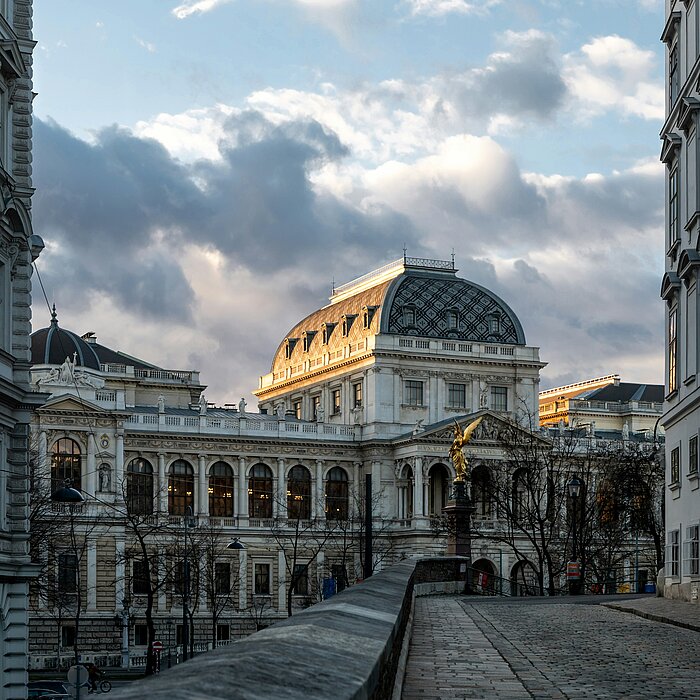
Veranstaltung des Netzwerks „Wissenschaft für Demokratie“
27.11., 17.30 Uhr,
BIG Hörsaal Universität Wien
Universitätsring 1, 1010 Wien
Demokratie und Rechtsstaatlichkeit sind zentrale Grundlagen unserer
Gesellschaft. Zugleich stehen demokratische Institutionen und Werte in
Europa und weltweit vor vielfältigen Herausforderungen. Autoritäre
politische Entwicklungen, gesellschaftliche Polarisierung und wachsendes
Misstrauen gegenüber etablierten Institutionen, nicht zuletzt der
Wissenschaft, werfen auch für Hochschulen grundlegende Fragen auf.
Welche Rolle können und sollen Universitäten in einer demokratischen
Gesellschaft einnehmen? Wie können sie demokratische Grundwerte und
Menschenrechte stärken? Und welchen Beitrag kann Wissenschaft dazu
leisten, dass Menschen unterschiedliche Perspektiven kennenlernen und
wissenschaftliche Erkenntnisse einordnen können, so dass
gesellschaftliche Resilienz gegenüber autoritären Tendenzen entsteht?
Diesen Fragen widmet sich diese hochkarätig besetzte Podiumsdiskussion
mit drei unterschiedlichen Perspektiven auf das Verhältnis von
Universität, Wissenschaft und Demokratie.
Podium:
Anna Durnová, Professorin für Politische Soziologie an der
Universität Wien, forscht unter anderem zur Rolle von Emotionen in
demokratischen Gesellschaften, zu politischer Soziologie und Public
Policy. Sie ist eine der Leiter:innen der AG „Hochschule und
Demokratie“ im Rahmen der „Hochschulstrategie 2040“.
Brigitte Hütter ist seit 2019 Rektorin der Universität für
künstlerische und industrielle Gestaltung Linz und seit 2024
Präsidentin der Universitätenkonferenz (uniko), der
Interessenvertretung der 22 öffentlichen Universitäten Österreichs.
Sie vertritt die Perspektive der österreichischen Universitäten und
ihrer gemeinsamen Verantwortung sowie die besondere Rolle von
Kunstuniversitäten.
Sebastian Schütze, Rektor der Universität Wien, bringt die Perspektive
der institutionellen Verantwortung einer großen europäischen
Forschungsuniversität ein. Demokratie ist für ihn ein zentrales Thema
für die Universitäten, die nicht nur forschen und lehren, sondern auch
Verantwortung dafür haben, Wissen in die Gesellschaft hineinzutragen.
Schütze ist Professor für Neuere Kunstgeschichte und seit 2022 Rektor
der Universität Wien.
Moderation: Susanne Hochreiter, Mitinitiatorin von „Wissenschaft für
Demokratie“
Gemeinsam wollen wir diskutieren, welche Verantwortung Universitäten
angesichts gesellschaftlicher und politischer Veränderungen tragen, wo
ihre Möglichkeiten und Grenzen liegen und wie Wissenschaft und
akademische Bildung zur Stärkung demokratischer Kultur beitragen
können. Dazu gehört auch, wie Universitäten selbst Resilienz
gegenüber autoritären Angriffen entwickeln können.
Die Veranstaltung findet auf Initiative von „Wissenschaft für
Demokratie“ statt, einem Netzwerk von Wissenschaftler:innen
verschiedener Disziplinen und Universitäten in Österreich. Das
Netzwerk hat sich ausgehend von einem offenen Brief im Jahr 2024
formiert und entwickelt in internationaler Zusammenarbeit Initiativen
und Vermittlungsformen, die zur Stärkung der Demokratie beitragen und
der Wissenschaftsskepsis entgegenwirken.
Mit-organisiert von PD Ass. Prof. Dr. Rosemarie Brucher
Eintritt frei
VIRTUELLER RAUM & DEMOKRATIE
veranstaltet vom Interuniversitären Forschungsnetzwerk Elfriede Jelinek
der Universität Wien und der Musik und Kunst Privatuniversität der Stadt Wien
und dem Elfriede Jelinek-Forschungszentrum
in Kooperation mit der Sektion für Internationale Kulturangelegenheiten des Bundesministeriums
für europäische und internationale Angelegenheiten
und dem Österreichischen Kulturforum Tokio
Internationale Veranstaltungsreihe zu
Elfriede Jelineks 80. Geburtstag: WELT.AUTORIN.JELINEK
Fr, 11.12., 9:30 — 18:00 Uhr
Österreichisches Kulturforum Tokio, 1-1-20, Moto Azabu, Minatu-ku Tokio, 106-0046
Der „Jelinek-Tag“ in Tokio findet im Rahmen der Internationalen Veranstaltungsreihe WELT.AUTORIN.JELINEK statt. Diese Veranstaltungsreihe befasst sich mit der österreichischen Nobelpreisträgerin als „Weltautorin“, die die aktuellen globalen antidemokratischen Entwicklungen mit Fokus auf die Position von Frauen* analysiert und deren Analysen weltweit wahrgenommen werden.
Der abschließende „Jelinek-Tag“ in Tokio rückt den digitalen Raum als Schauplatz antidemokratischer Entwicklungen in den Mittelpunkt. Im Dialog mit Jelineks Werk wird analysiert, wie Fake News, digitale Manipulation und Zensur demokratische Öffentlichkeiten verändern und wie Frauen* dabei diffamiert, aus öffentlichen Diskursen verdrängt und auf tradierte Rollenbilder zurückgeworfen werden. Aus internationaler Perspektive wird diskutiert, wie diesen Entwicklungen begegnet werden kann und welche Möglichkeiten die Kunst bietet, Formen des Widerstands und alternative Öffentlichkeiten zu entwickeln.
Wissenschaftler*innen und Künstler*innen aus Deutschland, Frankreich, Indien, Japan und Österreich treten in Keynotes, Gesprächen und in einem künstlerischen Abendprogramm in Austausch und beleuchten Jelineks Bedeutung für aktuelle Debatten um digitale Macht, Geschlechterverhältnisse und Demokratie.
Der Eintritt ist frei.
Begrenzte Platzzahl, verbindliche Anmeldung unter tokio-kf@bmeia.gv.at erforderlich.
Die Veranstaltung wird zusätzlich per Livestream übertragen.
Link zum Livestream: univienna.zoom.us/j/67141467695
Kenncode: jelinek
Nähere Informationen zum Programm und weitere Veranstaltungen unter ifvjelinek.at/veranstaltungen/